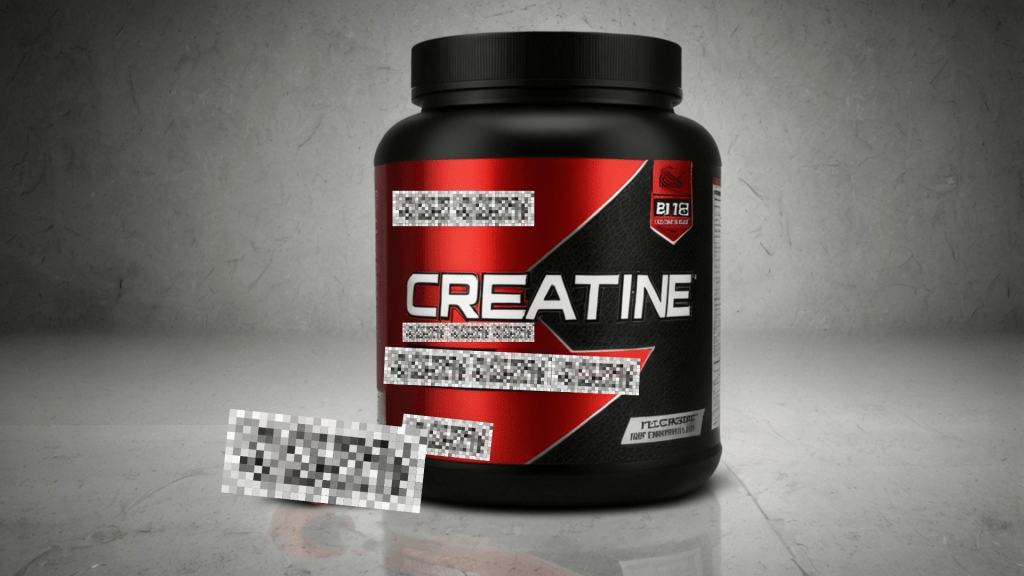
Creatine is a widely discussed supplement in the fitness world, often surrounded by misconceptions. Some believe it is unsafe, while others associate it with fat gain. However, scientific research tells a different story. This article explores common myths about creatine and uncovers the facts backed by evidence. Understanding its benefits can help individuals make informed decisions about supplementation. Read on to separate fact from fiction and discover how creatine may enhance athletic performance.
Key Takeaway
- Creatine is safe for most people when taken correctly.
- It does not cause weight gain from fat, but may cause temporary water weight.
- Creatine can help improve exercise performance and recovery.
What Is Creatine, Anyway?

Credits: gymcrate.com.au
Creatine is a natural substance found in our bodies, mostly in our muscles. It helps give energy for short bursts of high-intensity exercise. Many athletes and gym lovers take creatine as a supplement to help boost their performance. It can increase muscle mass, strength, and even help with recovery after workouts (1).
But there are lots of myths out there about creatine, and some people worry about its safety. Let’s bust some of those myths and get to the bottom of this.
Myth 1: Creatine Causes Weight Gain

Credits: pexels.com (Photo by: Towfiqu barbhuiya)
Many people think that taking creatine will make them gain weight. That’s a common worry, right? The truth is, creatine can cause a small increase in water weight. When someone starts taking creatine, their muscles hold onto more water (2). This can make them weigh a bit more.
- This increase is not bad at all!
- It just means the muscles are getting extra hydration.
Studies show that this weight gain is usually temporary. After the first few days, it’s really about building muscle, not fat. So, if the scale goes up at first, it’s just water.
Myth 2: Creatine Affects Kidney Function
A big worry for some people is whether creatine can damage the kidneys. That sounds scary. However, if someone is healthy, creatine doesn’t harm the kidneys (3).
- Studies show that in people with normal kidney health, creatine doesn’t negatively affect kidney function.
- The fear often comes from misunderstanding creatinine levels, which is a normal byproduct of creatine.
So, if someone tells you creatine is bad for your kidneys, they are mistaken. The science says it’s safe for those with healthy kidneys.
Myth 3: You Need to Cycle Creatine
Some people think they have to take breaks from creatine, called cycling, to keep it working well. This just isn’t true.
- Taking creatine regularly keeps muscles saturated.
- This means someone will always have that extra energy during workouts.
There’s no need to stop and start. Keeping it simple is the best way. Just take creatine every day, and enjoy the benefits without worrying about cycling.
Myth 4: Creatine Is Only for Bodybuilders

Credits: pexels.com (Photo by: Victor Freitas)
You might think only bodybuilders use creatine, but that’s not right. Athletes in many sports can benefit from creatine.
- Whether someone plays soccer, basketball, or runs track, creatine can help improve performance.
- It’s great for short bursts of energy, making athletes faster and stronger.
So, if someone loves sports, creatine might help them score that winning goal or make that last-minute shot. It’s not just for bodybuilders!
Myth 5: Creatine Causes Bloating
Some worry that taking creatine will make them feel bloated. While some people might feel a bit of bloating, especially if they take too much, it’s not a common issue.
- A daily dose of 3-5 grams is usually well tolerated.
- If bloating is a concern, sticking to the recommended amount is key.
Drinking enough water is also a good idea when taking creatine. Staying hydrated can help reduce any feelings of bloating.
Myth 6: Creatine Is a Steroid
Some people confuse creatine with steroids, thinking they’re the same. But they are not. Creatine is a natural substance that helps with energy.
- Steroids are synthetic substances that can have serious health risks.
- Creatine is safe when used properly and doesn’t have the same risks as steroids.
So, if someone tells you creatine is a steroid, they are mistaken. Creatine is a natural and safe supplement.
Creatine for Cognitive Functions
Source: Huberman Lab Clips
Did you know that creatine isn’t just for muscles? It’s true. Creatine can also help with brain power. Many people think of creatine only as a supplement for athletes, but it has some fascinating effects on cognitive functions too. Studies have shown that creatine might actually boost memory, attention, and even processing speed. Let’s take a closer look at what the research says about creatine and how it can help our brains work better.
Key Findings on Cognitive Function
- Memory and Attention: A big study looked at many pieces of research, and it found that when healthy adults took creatine, their memory got better. They also paid better attention. This study showed a significant improvement in memory (SMD = 0.31) and attention time (SMD = -0.31) for people between 20.8 and 76.4 years old. Isn’t that cool? Plus, another number (SMD = -0.51) showed that processing speed improved too (4).
- Acute Effects: There’s more. If someone takes a large dose of creatine, their brain might work better right away. In one study, people who didn’t get enough sleep and took creatine were able to think more clearly and quickly. Even up to nine hours after taking creatine, they still noticed improvements in their cognitive abilities. So, if you have a big test coming up and didn’t sleep well, creatine might help you focus.
- Subgroup Variability: Interestingly, the benefits of creatine seem to show up more in certain groups. For instance, younger adults aged 18-60 and women saw greater improvements compared to men. People with specific health conditions also benefited from creatine. This means that different people might experience different levels of help from creatine, depending on their health or age.
Mechanisms of Action
So, how does creatine work its magic on the brain? It’s all about energy. Creatine helps make ATP, which is like fuel for your brain. When your brain has enough energy, it can think better, especially during tough times, like when you haven’t slept enough (5). This means that when you supplement with creatine, your brain can have more energy to do its job, which might explain why people feel sharper and quicker after using it.
Creatine is more than just a supplement for muscles; it can be a great ally for your brain. Whether you’re studying, working on a project, or just want to think a little clearer, creatine might be worth considering. So, if you want to give your brain a boost, you might want to look into how creatine can help.
What Happens When You Stop Taking Creatine?
Source: Gravity Transformation – Fat Loss Experts
You might wonder what happens if someone stops taking creatine. When someone stops, their muscle creatine levels will gradually go back to normal. This process takes time, but it’s a natural part of using creatine.
- One thing to keep in mind is that there may be a slight decrease in performance.
- However, this doesn’t mean all the hard work is gone.
The muscle built while taking creatine stays. It’s like a plant that grows; even if someone stops watering it, the plant doesn’t just disappear. It still exists!
So, even after stopping creatine, someone can still enjoy the benefits of their hard work. The strength and muscle gained won’t vanish overnight. It’s important to remember that fitness is a journey, and every step counts.
Should You Take Creatine Daily?
Most experts recommend taking creatine daily for the best results. This helps keep muscle stores full.
- Some might hear about a loading phase, where they take more creatine at first.
- But for many people, just taking the regular dose daily is enough to see great results.
Taking creatine every day allows the muscles to stay saturated. This means more energy for workouts and better performance over time. It’s a simple way to make sure the body gets the benefits of creatine without the extra steps.
Sticking to a daily routine can help someone reach their fitness goals more effectively. It’s all about consistency.
If you’re ever unsure, it’s best to consult with a doctor or a nutritionist to find out what’s right for you.
Conclusion
Creatine is a well-researched supplement that supports muscle growth and athletic performance. Despite common misconceptions, it is safe when used correctly, does not contribute to fat gain, and benefits various types of athletes. Scientific studies confirm its effectiveness in enhancing strength and endurance. Consulting a healthcare professional before use is recommended to ensure proper dosage and suitability. When incorporated appropriately, creatine can be a valuable addition to a well-structured training regimen.
FAQs
Does creatine cause hair loss, and is this a myth?
There’s a common belief that creatine causes hair loss, but there’s no solid evidence to support this. This myth likely started from a small study suggesting creatine might increase DHT, a hormone linked to hair loss. However, no studies confirm that creatine directly leads to thinning hair. If you’re worried, consult a doctor, but overall, creatine is considered safe and isn’t proven to cause baldness.
Does creatine damage kidneys, or is that another myth?
The myth that creatine damages kidneys has been around for years, but research shows it doesn’t harm kidney function in healthy individuals. Some confusion comes from creatinine levels, a waste product measured in kidney tests, but this doesn’t mean kidney damage. If you already have kidney disease, consult a doctor, but for most people, creatine is safe and well-studied.
Should I take creatine before or after a workout for best results?
There’s debate about creatine timing importance, but studies suggest it’s effective both before and after workouts. Some research points to post-workout creatine being slightly better for muscle recovery, while others find no major difference. The key is consistency—taking creatine daily matters more than the exact timing. Whether before or after training, creatine helps support muscle performance.
Is creatine better in powder or pill form?
Both powder and pill forms of creatine are effective, but powder is often the best type of creatine to use because it dissolves easily and is more affordable. Pills offer convenience but may require more capsules to match the dose of a scoop of powder. The most important factor is choosing a high-quality, pure creatine monohydrate.
Can creatine help older adults with muscle loss?
Yes, studies show that creatine benefits older adults by helping prevent muscle loss. As people age, they naturally lose muscle mass, but creatine combined with resistance training can slow this process. It also supports strength, energy levels, and even brain function in older individuals.
Can creatine improve cognitive performance and mental health?
Research suggests creatine isn’t just for muscles—it may also benefit cognitive performance and mental health. Some studies link creatine to better memory, faster thinking, and improved brain function, especially in sleep-deprived individuals. It may also support mental health by helping with energy production in brain cells.
Why is creatine one of the most researched supplements?
Creatine is one of the most studied supplements because of its proven safety and effectiveness. Scientific studies proving creatine safety consistently show its benefits for muscle growth, recovery, and even cognitive function. Despite some myths, the overwhelming research confirms creatine is safe and beneficial for most people.



 Abel's Portfolio
Leave a comment